
Understanding the psychological triggers that drive people to gamble
The allure of excitement and adrenaline
One of the primary psychological triggers that drive people to gamble is the allure of excitement and adrenaline. This phenomenon, often referred to as “thrill-seeking,” is deeply rooted in human psychology. Many individuals experience a rush of excitement when betting, whether it’s spinning the reels on a slot machine or placing a wager on a sporting event. This rush is often compared to the feelings associated with extreme sports, leading to a potentially addictive cycle of seeking out that high-stakes thrill. News about fair go casino australia has highlighted how online platforms cater to high rollers looking for thrilling experiences.

Moreover, the unpredictable nature of gambling can amplify this adrenaline rush. The anticipation that builds as one awaits the outcome of a bet can lead to heightened emotional responses. Each win or loss can evoke strong feelings, contributing to the overall experience of thrill. For many, the possibility of a big win can overshadow the risk of losing money, leading them to engage in gambling activities more frequently.
This pursuit of adrenaline can be particularly compelling in environments designed to enhance the experience. Casinos often employ psychological strategies, such as bright lights and engaging sounds, to stimulate excitement. The combination of these elements creates an immersive atmosphere where individuals may feel compelled to continue gambling, even when they are aware of the risks involved.
The influence of social interactions
Social interaction is another significant psychological trigger for gambling. Many people engage in gambling activities with friends or in social settings, where the camaraderie can make the experience more enjoyable. This social dimension adds an extra layer of motivation, as individuals often find it more appealing to gamble in groups. The shared excitement of winning or the support in losing can create a sense of community that reinforces the behavior.
Additionally, social influences can heighten the desire to gamble. For instance, in many cultures, gambling is associated with celebrations and gatherings, leading to a normalization of the behavior. The perception that gambling is a common social activity can make individuals more likely to participate, even if they don’t initially have a strong interest in it. Over time, this social acceptance can transform occasional gambling into a more frequent habit.
Furthermore, the impact of social media cannot be overlooked. Many gambling sites and platforms leverage social networks to create a sense of belonging among users. Features such as sharing wins or participating in online tournaments can amplify the desire to gamble, as individuals seek validation and recognition from their peers. This social pressure can create a cycle where gambling is reinforced as a socially acceptable activity.
The psychological impact of wins and losses
The psychological responses to wins and losses play a crucial role in driving gambling behavior. The excitement of winning, even if it is a small amount, can trigger the release of dopamine in the brain. This chemical response reinforces the behavior, making individuals more likely to gamble again in hopes of experiencing that pleasurable feeling. Conversely, the disappointment of losing can lead to a phenomenon known as “chasing losses,” where individuals continue to gamble in an attempt to recover what they have lost.
This emotional rollercoaster can create a compulsive cycle. When people win, they may feel invincible, leading them to increase their bets in pursuit of bigger jackpots. Conversely, after losing, they may justify further gambling as a strategy to reclaim their losses. This mindset can lead to significant financial and emotional distress, as individuals find themselves trapped in a cycle of gambling to overcome previous losses.
Moreover, the unpredictability of gambling outcomes contributes to the complexity of psychological responses. When outcomes are variable, individuals may attribute their losses to bad luck, while attributing their wins to skill or strategy. This cognitive bias can foster an illusion of control, encouraging continued gambling despite evidence that the odds are against them. Understanding these psychological responses is critical for recognizing the impact of gambling on behavior and decision-making.
The role of marketing and environmental cues
Marketing strategies and environmental cues significantly influence gambling behavior. Many gambling establishments utilize enticing promotions and loyalty programs to attract players, leveraging the psychology of rewards to encourage participation. For example, free spins or bonus offers can entice individuals to take risks they might otherwise avoid. These promotional tactics exploit the brain’s reward system, reinforcing the gambling habit.
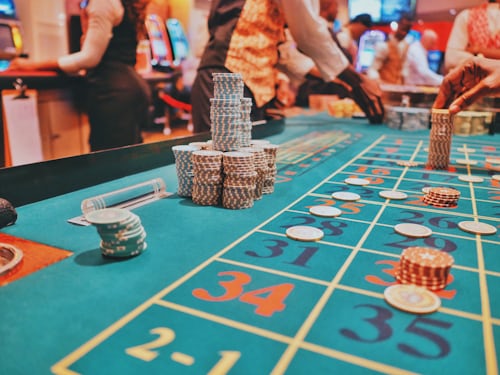
The physical environment of casinos and online gambling platforms also plays a vital role. Bright lights, engaging sounds, and an overall festive atmosphere are designed to capture attention and maintain engagement. For many, this sensory stimulation can create a sense of urgency and excitement that compels them to gamble longer than intended. Such environments can lead to disorientation and an altered perception of time, making it challenging for individuals to make rational decisions about their gambling activities.
Furthermore, the presence of peers in these environments can amplify these effects. When individuals see others winning or celebrating their experiences, they may feel a heightened sense of competition and desire to join in. This social reinforcement, combined with marketing tactics, can create an environment where gambling becomes a primary focus, detracting from the associated risks and consequences.
Understanding responsible gambling with Fair Go Casino
Understanding the psychological triggers that drive gambling behavior is essential for promoting responsible gambling. Fair Go Casino Australia 2026 is committed to fostering a safe and enjoyable gaming experience. The platform provides resources and information that empower players to make informed decisions about their gambling habits. By emphasizing user-friendly navigation and transparency, Fair Go Casino aims to create an environment where players can engage with confidence.
The website not only showcases a diverse range of RTG slot games but also offers insights into managing gambling activity. With easy access to information about no deposit bonuses and secure banking options, players can enjoy their gaming experiences while being mindful of their limits. Fair Go Casino encourages responsible play, ensuring that users understand the psychological factors at play and how to manage them effectively.
Ultimately, awareness of the psychological triggers behind gambling can enhance the overall experience. By understanding the factors that drive people to gamble, players can enjoy gaming in moderation and avoid the pitfalls that may arise from uncontrolled behavior. Fair Go Casino is dedicated to supporting players in navigating their gambling experiences safely and responsibly, making it a leading destination for those seeking a balanced approach to online gaming.