
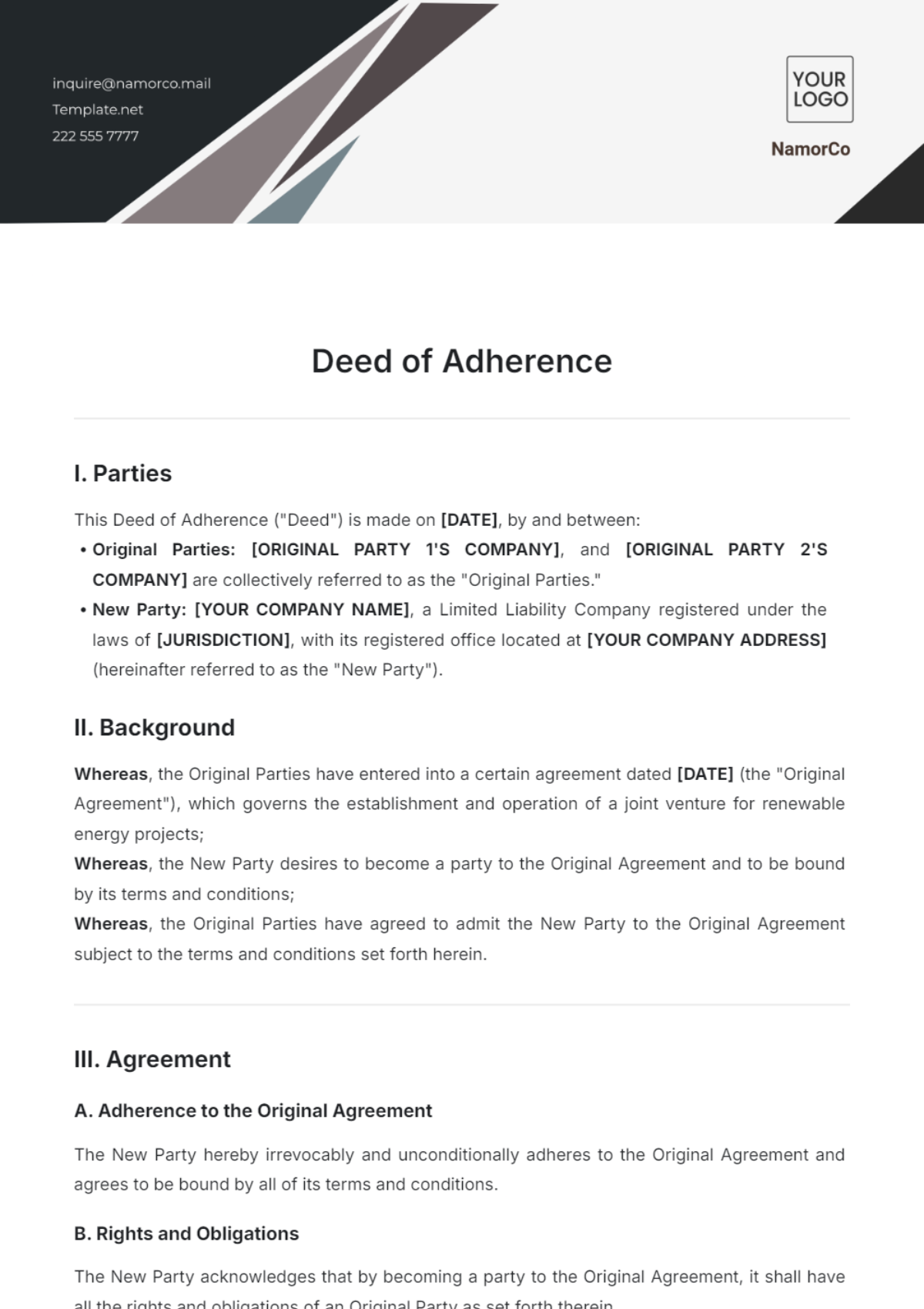
A Gift Action is a legitimately binding document that promotes the transfer of possession of a property from one person (benefactor) to an additional (beneficiary) with no monetary exchange. This approach of home transfer is commonly used amongst member of the family and philanthropic organizations. However, to ensure its legality, it should follow certain legal demands, including correct documents and registration.
Lawful Structure Governing Present Actions
The Transfer of Residential Or Commercial Property Act, 1882, regulates Gift Deeds in India. According to Section 122, a valid Gift Act have to entail a voluntary transfer without threat, fraudulence, or unnecessary impact. The benefactor ought to be legitimately proficient, meaning they need to be of sound mind and over 18 years of age. The donee, on the other hand, can be an individual, a legal entity, or a charitable institution.
A Gift Deed can be performed for both movable and immovable properties. While movable possessions like money, jewelry, and supplies do not require obligatory registration, stationary residential or commercial properties such as land, homes, or commercial spaces must be registered with the Sub-Registrar’s Workplace.Read about new jersey property deed walkthrough At website The beneficiary needs to accept the present while the donor is still alive for the transfer to be legitimately legitimate.
Just how to Compose and Perform a Present Deed?
A Present Act have to consist of the complying with vital provisions:
- Information of Contributor & Beneficiary – Complete name, address, and relationship (if any type of).
- Summary of the Gifted Building – Precise details of the residential property being talented.
- Voluntary Nature of the Present – Verification that the contributor is gifting voluntarily.
- Approval Clause – A statement that the donee has actually approved the present.
- Observe Trademarks – Two witnesses need to authorize the act.
Enrollment of Gift Deed
According to the Enrollment Act, 1908, a Gift Act for unmovable property must be registered at the Sub-Registrar’s Workplace. Steps for Enrollment:
- Prepare the Present Deed with the help of an attorney.
- Pay Stamp Task (differs by state, normally 2% to 5% of the residential property worth).
- See the Sub-Registrar’s Office with needed papers.
- Authorize the Act in Visibility of the Registrar.
When registered, the beneficiary becomes the legal owner of the residential property.
Tax Effects of a Present Act
Tax on talented residential or commercial property depends upon the relationship in between the contributor and beneficiary. Under Section 56( 2) of the Income Tax Act, 1961, presents obtained from specified relatives, such as parents, partner, youngsters, and brother or sisters, are exempt from tax obligation. Nevertheless, if a present is received from a non-relative and goes beyond 50,000 in worth, it is treated as earnings and is taxed under ‘Income from Various Other Resources.’
An additional crucial facet is Funding Gains Tax Obligation. Although the benefactor does not pay funding gains tax obligation at the time of gifting, the Recipient becomes responsible for resources gains tax when they decide to offer the gifted building. The tax is calculated based on the initial purchase expense paid by the contributor.
Conclusion
A Present Action is a protected and lawfully recognized method for moving home without monetary exchange. Nonetheless, correct paperwork, registration, and tax factors to consider are vital to make sure a hassle-free transfer. Seeking lawful support can assist in composing a Present Deed properly and avoiding future conflicts.
If you are considering gifting residential or commercial property to a liked one, ensure you comply with the legal process carefully to avoid any kind of legal or monetary problems. Consulting a real estate professional or legal consultant can help navigate the intricacies connected with Present Acts and ensure a seamless residential property transfer procedure.